

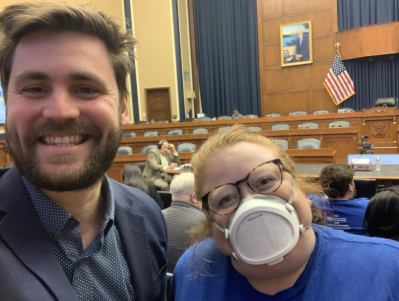
On March 17, the Diverse Elders Coalition (DEC) joined with a range of partners, including the Disability and Aging Collaborative (DAC) and the Service Employees International Union (SEIU), to attend a House Energy and Commerce Oversight and Investigations Subcommittee Hearing on “Protecting Patients and Safeguarding Taxpayer Dollars: The Role of CMS in Combatting Medicare and Medicaid Fraud.” Turnout from supporters of Medicaid and Medicare was high to push back against the narrative that fraud is rampant and unchecked in these programs — a damaging accusation that creates further harms to our communities. In Chairman John Joyce’s (R-PA) opening statement, he alleged states had “been permitted to run Medicaid programs with weak guardrails,” and that federal oversight was “necessary to root out systemic fraud.”
Over the last few months, the Centers for Medicare and Medicaid Services (CMS) has paused some $259 million in Medicaid funding for Minnesota, and threatened to do so for a handful of other states. The pretense is fraud prevention, with the administration focusing on Home and Community-Based Services (HCBS), which helps people with disabilities and older adults live in their own homes instead of institutions. While preventing fraud in public services is an important aim, pausing large sums of vital resources without evidence of widespread impropriety harms those the effort is purporting to help. The share of Medicaid spending on HCBS has grown significantly since 1995, and now represents 64% of national spending. This shift is a result of policy decisions needed to meet the country’s demographic trends, specifically the growing share of older adults. Even still, the need remains substantial, with over 600,000 individuals on HCBS wait lists in 2025.
Furthermore, safeguards against HCBS fraud are already incorporated into the system, with efforts like Electronic Visit Verification requiring verification of time and location before payment for personal care and home health services. Providers who wish to enroll undergo background checks and revaluation of credentials. And, most directly, Medicaid Fraud Control Units within states prosecute and recover substantial amounts of money each year.
Ahead of implementation this year of H.R. 1, or the One Big Beautiful Bill Act there is already a real risk of states cutting or eliminating optional HCBS services as a result of reduced federal support for Medicaid and state requirements to balance their budgets. The DEC believes HCBS warrants greater investment to meet growing demands and looks forward to working with policymakers to strengthen these critical services.