
At ASA On Aging 2026, the DEC Showed Why Caregiver Equity Still Matters
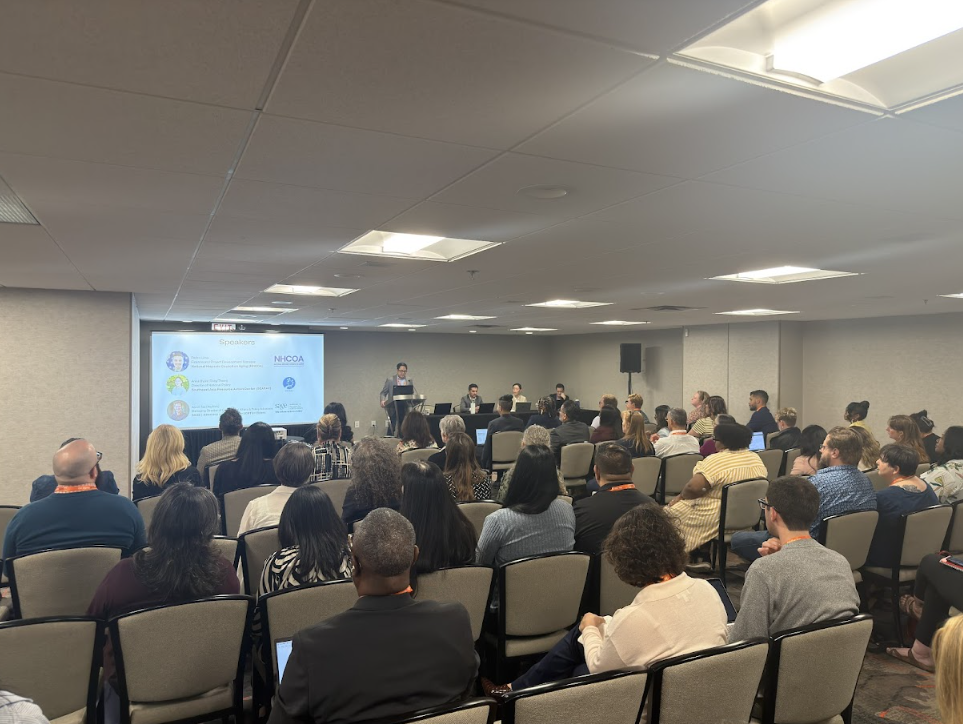
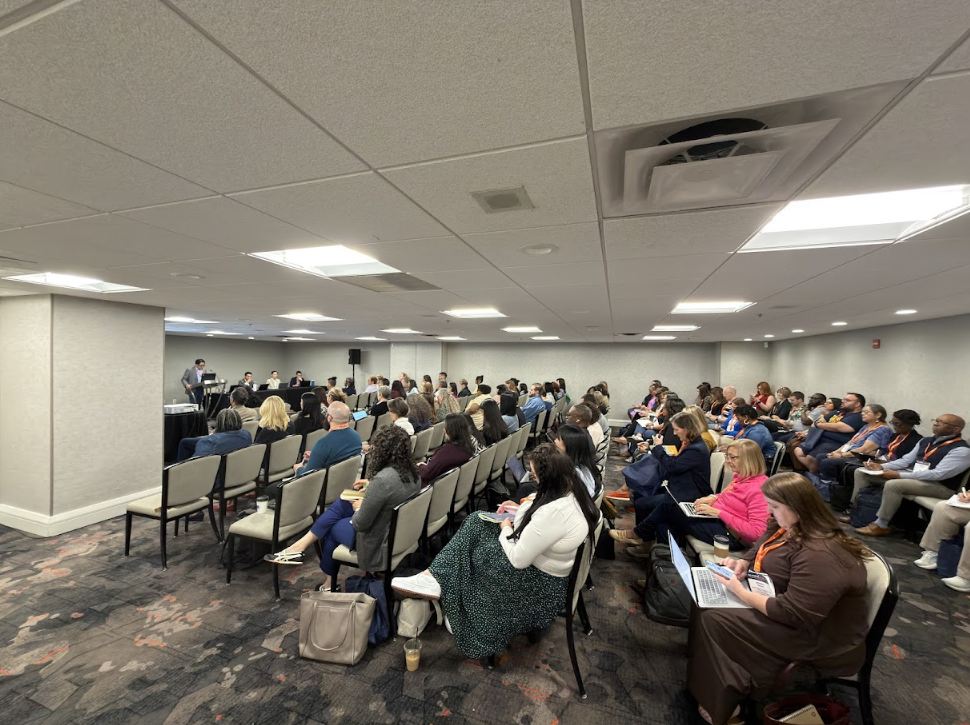
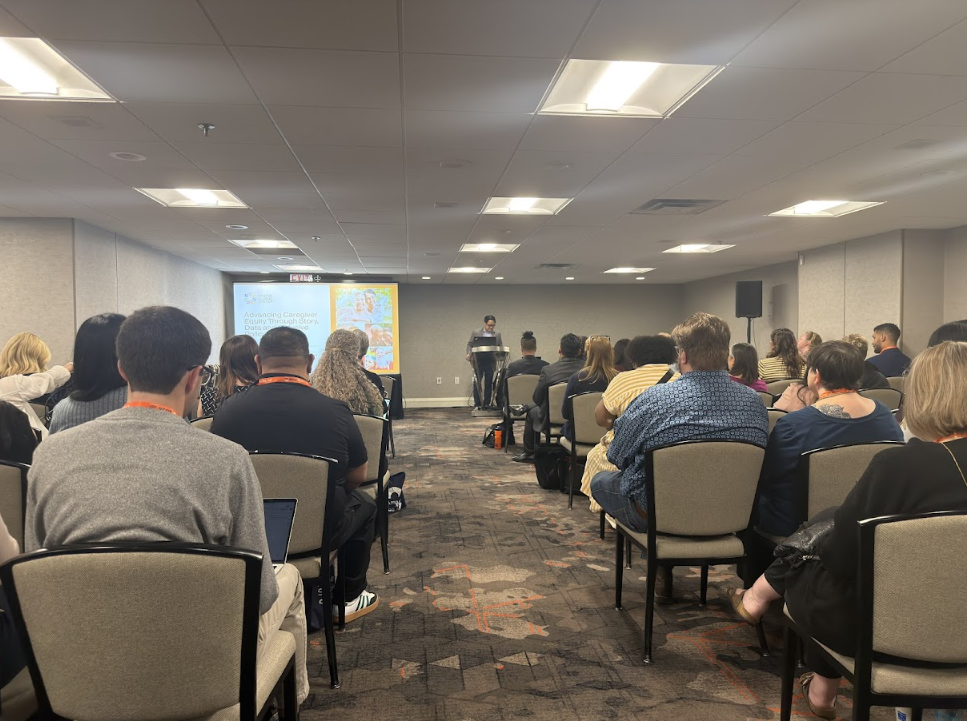
At this year’s American Society on Aging On Aging 2026 conference in Atlanta, the Diverse Elders Coalition was proud to present “Advancing Caregiver Equity Through Story, Data, and Inclusive Policy Tools.” Held on April 20th, our session drew more than 100 attendees filling the room for a calm, reflective, and deeply engaging conversation on the realities facing diverse family caregivers and the policy changes needed to support them.
The mood in the room was thoughtful and grounded, with moments of deep reflection and solidarity throughout the session as our panelists guided the conversation with both clarity and warmth. Together, our panel brought federal and state advocacy, lived realities, and community-rooted policy ideas into one shared conversation.
Our panel highlighted the DEC’s updated Caregiving Policy Best Practices Toolkit and the research that informed it. Across the discussion, one message came through clearly: diverse caregivers remain central to the care system, yet too often continue to face structural barriers, financial strain, exclusion, and mistrust of formal supports. At a time when the political environment is increasingly hostile to equity-centered language and policy, the strong turnout for this session was a reminder that advocacy for diverse older adults and caregivers is not disappearing. It remains needed, visible, and enduring.
A Conversation Grounded in Community Realities
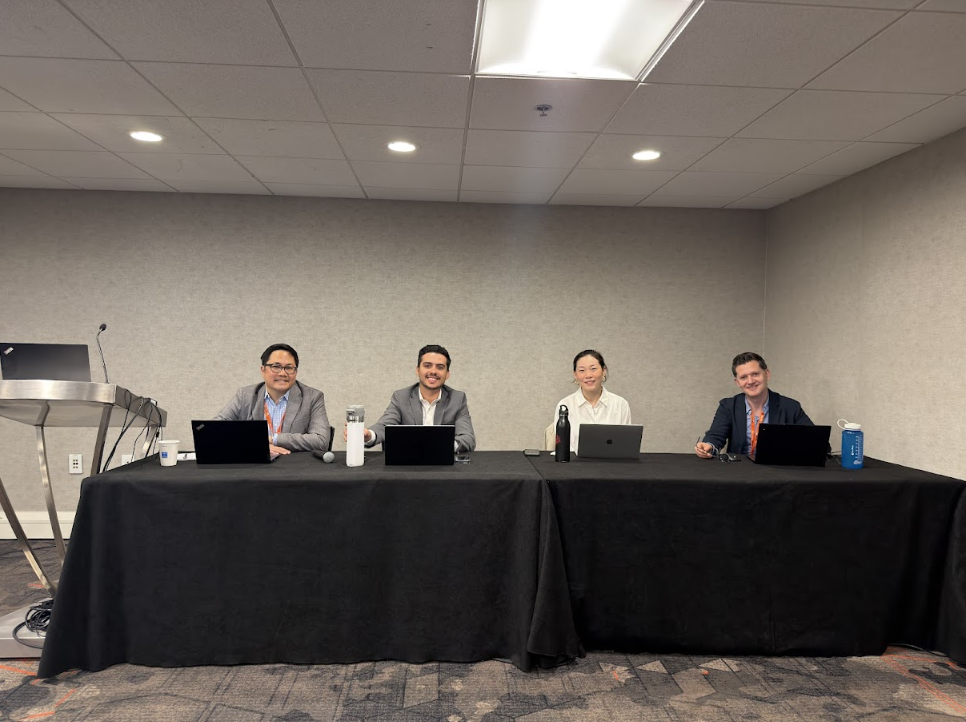
Anna Byon of Southeast Asia Resource Action Center (SEARAC) spoke about immigrant caregivers and policy issues affecting Southeast Asian American communities, especially the long shadow of intergenerational trauma associated with refugee resettlement and the ways immigration-related harms can deepen mistrust of formal services. Anna also connected these realities to the DEC policy toolkit and highlighted the alignment between the toolkit’s recommendations and SEARAC’s own advocacy priorities for Southeast Asian American adults.
Pedro Lima of the National Hispanic Council on Aging (NHCOA) focused on financial equity, including the importance of Supplemental Security Income (SSI) and the broader role that income supports can play in strengthening caregiving stability for Hispanic/Latinx families. Through the sharing of a personal older adult story, Pedro illustrated how SSI support can make it easier for caregivers to care for themselves while also caring for loved ones. He also highlighted NHCOA’s ongoing advocacy initiatives, including legislative briefings on Capitol Hill and continued support for passage of the bipartisan Restoration Act to update and strengthen SSI benefits.
Aaron Tax of SAGE brought a state-level policy lens to the conversation, focusing on LGBTQ+ older adults, chosen family, and the importance of ensuring older adults and caregivers’ rights are reflected in state advocacy efforts. Aaron shared a story about how an LGBTQ+ older adult veteran was denied care and faced significant barriers in care facilities including discrimination. He spoke about other barriers to care for LGBTQ+ older adults and caregivers at the state level and how SAGE’s state-level advocacy work on protections and a bill of rights help ensure chosen families have a meaningful role in the aging experience of their loved ones.
Together, the panel – which was moderated by DEC’s Didier Trinh – demonstrated what it looks like when research, storytelling, and advocacy are brought into the conversation with one another. It also showed the value of having multiple DEC member organizations at the table, each bringing a different perspective while reinforcing a shared call for equity, dignity, and belonging.
Continuing the important work on behalf of all caregivers
For the DEC, one of the most meaningful parts of the session was seeing how strongly people responded to a panel centered on diverse communities, especially amid a political landscape shaped by immigration crackdowns and efforts to discourage the use of language focused on diversity, equity, and inclusion. Seeing a large gathering for this conversation in Atlanta made one thing clear: the push for just, inclusive aging policy is not fading. It is evolving, and it will continue.
We are grateful to everyone who joined us at ASA On Aging 2026, asked thoughtful questions, and helped make the session such a success. We are also deeply thankful to our panelists and DEC member organizations for bringing their expertise, stories, and advocacy to the room.
For those who attended, or for those who could not join us in person, we are sharing the materials below so the conversation can continue:
ASA offered an important reminder this year that belonging is not abstract. It is built through policy, community, storytelling and the willingness to keep showing up for one another. The room was full because the need is real, and so is the commitment to keep pushing forward.