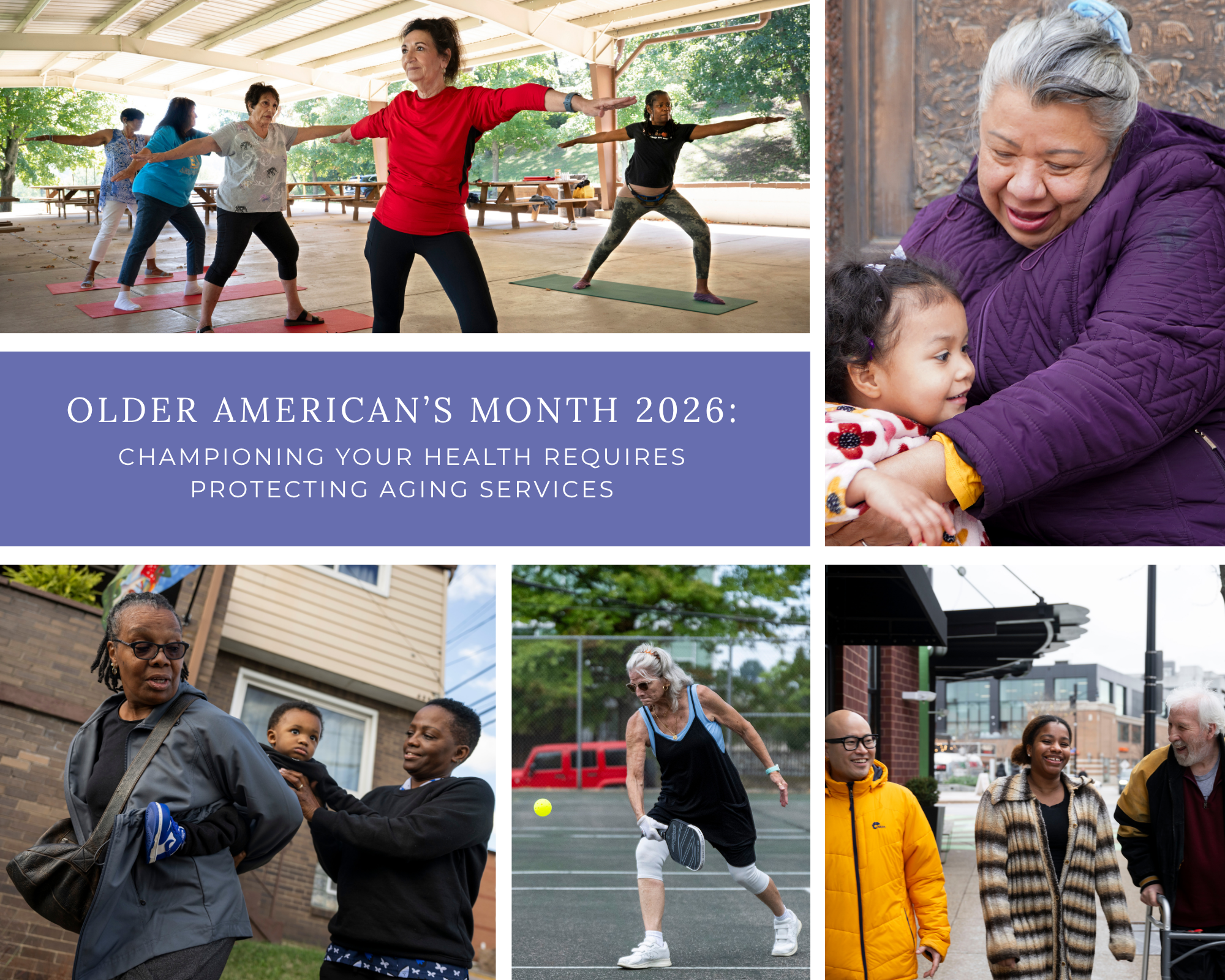
Each May, Older Americans Month invites us to recognize the contributions, resilience, and leadership of older adults across the country. This year’s theme, “Champion Your Health,” encourages older adults to take an active role in prevention, wellness, self-advocacy, informed decision-making, caregiver support, and community partnerships. It is a powerful reminder that healthy aging depends not only on personal choices, but also on access to the supports that make those choices possible.
For the Diverse Elders Coalition, this year’s theme carries both promise and tension. Older adults are being encouraged to champion their health at a time when major federal policy decisions are making that work harder. Medicaid changes tied to H.R. 1 implementation, ongoing threats to programs that support low-income older adults and caregivers, and the continued lack of a full reauthorization of the Older Americans Act all raise the same question: How can older adults champion their health if the systems that help them stay healthy, housed, nourished, employed, and connected are being weakened or left uncertain?
Healthy aging is not built by individual effort alone. It depends on community-based services, caregiver support, transportation, nutrition programs, preventive care, benefits assistance, workforce supports, and trusted local organizations that help older adults navigate complex systems. The Older Americans Act remains one of the nation’s primary vehicles for delivering social and nutrition services to older adults and caregivers through the national aging network. NCOA notes that the OAA funds critical services such as meals, job training, senior centers, health promotion, benefits enrollment, caregiver support, transportation, and more.
When Medicaid access becomes harder to maintain, when food and health supports face cuts, and when the Older Americans Act remains unfinished, older adults and caregivers are asked to do more with less. That is not a sustainable approach to healthy aging. As we mark Older Americans Month, we should embrace the call to “Champion Your Health,” but we must also be honest about what that requires. Older adults cannot champion their health alone. They need policymakers to champion the programs, protections, and community-based supports that make healthy aging possible.
H.R.1 Implementation: Threats to Medicaid and SNAP
A major and recent challenge to healthy, dignified aging has been the passage of the One Big Beautiful Big Act (also known as H.R.1), which made sweeping changes to both the Medicaid and SNAP federal programs, which are heavily relied upon by older adults, and especially those in communities represented by the DEC.
The most significant changes tightened eligibility rules for Medicaid and SNAP, instituting new work requirements for “able-bodied” adults under the age of 65. The restrictions are expected to be highly damaging, with some estimates putting the number of people who could lose their benefits at 5.2 million for Medicaid. and 5.4 million for SNAP. Many families and older adults rely on both programs and will be forced to undergo forfeiting eligibility for their health and food benefits if they do not meet the new requirements
The process for implementing these sweeping changes is extensive. The DEC has put together a factsheet detailing the various dates that different policy changes will go into effect. The next major milestone is the release of implementation guidelines from the Secretary of Health and Human Services (HHS) to states (who administer the programs) on June 1st. This will determine what flexibilities states may have in implementing key changes such as work requirements. It’s essential that these guidelines allow states to take steps, like automatic verification from existing data sources, that ease the bureaucratic process as much as possible for community members that rely on these programs.
As is the case far too often, older adults from diverse backgrounds are at a greater risk from these changes due to decades of economic marginalization, resulting in greater reliance on programs like Medicaid and SNAP to ensure their basic needs are met. Following the guidance from HHS, states will have until January 1, 2027, before they must implement the first series of regulations from H.R.1. States may implement regulations sooner if they’d like, as has been seen in several states.
Older Americans Act Reauthorization: Protecting Vital Services
H.R.1 isn’t the only legislation of pressing concern for older adults. The Older Americans Act (OAA) remains unauthorized following its lapsing in September of 2024. The OAA is the premier piece of legislation for key services like nutrition support, in-home care, transportation, respite care & other caregiver resources, and employment opportunities. In the context of “championing your health,” these basic supports are essential to ensuring members of our communities can lead healthy, dignified, and independent lives. The reauthorization of the OAA, and the services it provides, have broad, bipartisan support, and is long overdue for passage in Congress.
Currently, funding for programs covered under the OAA is being provided through the yearly appropriations process, making them vulnerable to the hectic political winds that frequently ensnarl the process. Reauthorizing the OAA, and in doing so securing these programs at strong funding levels for the ensuing five years, would truly celebrate the purpose and meaning of Older Americans Month, giving Americans a platform on which they can age in the way that they want, secure in their basic needs and free to thrive as they see fit.