
September is Falls Prevention Awareness Month—a time to raise awareness about falls, understand why they happen, and take practical steps to help prevent them. Contrary to ageist myths, falls are not an inevitable part of aging, and many falls can be prevented through simple changes at home, regular health check-ups, and greater awareness of balance and mobility.
As many know all too well, a fall can be devastating for an older adult, leading to serious injury or death. Even after recovery, a fear of falling again can sometimes compel an older adult to become less active and withdraw from their community. Falls in America are the leading cause of death due to injury for those over 65 years old, and account for 40% of nursing home admissions. In fact, half of all elders that suffer a fall do not resume independent living. This is not, however, a fait accompli. Staying informed and taking preventive measures can help older adults remain safe, confident, and independent.
Major Fall Risks
Falls frequently occur from a combination of factors rather than a single cause. Some risks are related to a person’s health, while others are found in the surrounding environment.
Changes in balance, muscle strength, vision or hearing can increase the risk of falling. Certain medications may also cause dizziness or drowsiness. Health conditions that affect mobility or coordination can play a role as well.
The National Council on Aging has a Falls Free CheckUp® tool that allows an older adult or a loved one to evaluate their risk of falling. It’s a quick and easy way to get ahead of some risk factors.
Not all risks are health related. In the home, seemingly ordinary hazards can become dangerous. Loose rugs, cluttered walkways, poor lighting, slippery floors, and stairs without sturdy handrails can all contribute to falls. Recognizing these risks, and making smart design choices in the home, is an important first step toward prevention.
Making the Home Safer
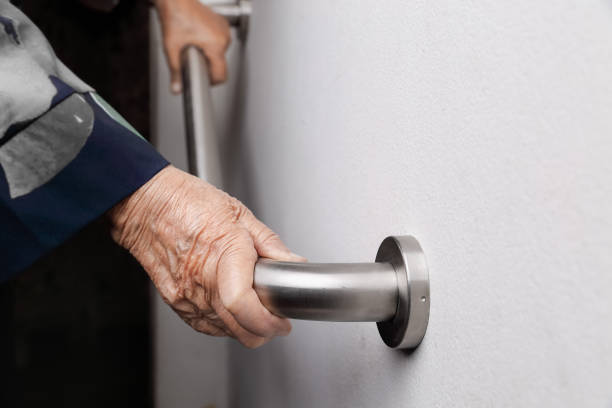
Making a couple quick changes to the home is often the easiest way to prevent falls. Some basics include keeping frequently used passageways clear of boxes, cords, furniture, and other obstacles, in addition to removing or securing loose rugs and ensuring stairways are well lit. If needed, ensuring sturdy handrails on stairs and installing grab bars in bathrooms can also help guard against a dangerous fall.
Good lighting is especially important. Many falls occur after dark, when it’s much harder to spot obstacles. Consider Installing night-lights in hallways, bedrooms, and bathrooms to keep things safely illuminated. Keep a lamp or other light source within easy reach of the bed.
Lastly, it’s always helpful to keep commonly used items within a comfortable reach. Avoid standing on chairs or other unstable surfaces to retrieve something from a high shelf. To ensure nothing is overlooked, use this handy checklist, which provides a comprehensive overview of possible risks in the house.
Bolstering Strength and Balance
Aside from general well-being, physical activity is an important part of falls prevention. Exercises that improve strength, balance, flexibility, and coordination can help support safer movement.
Targeted strength and balance activities, along with regular walking, are great ways to help older adults maintain mobility and confidence. It’s important to note, however, that before beginning a new exercise program, particularly if you have health concerns or difficulty with balance, talk with your healthcare professional or a qualified physical therapist to ensure the activities are appropriate for you.
Staying active can offer benefits beyond fall prevention, too. Maintaining strength and mobility can make everyday activities—such as getting out of a chair, climbing stairs, or carrying groceries—easier and more manageable.
Monitor Your Health
Maintaining a regular schedule of healthcare visits can provide another opportunity to preventatively identify and address fall risks. Keep your healthcare provider apprised about any history of falls, dizziness, balance problems, or changes in your mobility.
Have your vision and hearing checked regularly and review your medications with your healthcare provider or pharmacist. If you experience dizziness, weakness or unexplained changes in your balance, don’t simply assume it is an expected side effect of medication or something you must manage yourself. Promptly bringing these concerns to a healthcare professional can help identify possible causes and appropriate solutions.
Awareness is Key
The scale of falls in the United States is greater than many realize. More than one in four older adults fall each year, a staggering 14 million individuals annually. In 2024, the most recent year data was available, the U.S. tragically accounted for over 43,000 deaths.
But it can be prevented. Taking just a few minutes to look around the house for potential hazards and evaluating whether your exercise routine supports strength and balance can make all the difference. Talk openly with your support community about falls or concerns about mobility, and don’t hesitate to ask for assistance making changes.
These small steps can be lifesaving. For a deeper dive into falls prevention, including a variety of recommendations and action items, DEC member organization NCBA recently hosted a webinar dedicated to recognizing and mitigating risks.
This Falls Prevention Awareness Month, let’s make safety a priority, and in doing so reduce the far too high number of lethal falls every year. By identifying risks, staying active, maintaining good health, and creating safer environments, we can not only reduce falls, but support greater confidence, independence, and quality of life.